A buyer scrolling through a property portal gives your listing roughly as long as it takes to butter a slice of toast. If the headline is vague, the photos arrive in a random order, or the description reads like a surveyor's inventory, they scroll past. The enquiry you wanted goes to the house down the road. Writing a listing that attracts serious buyers is not about dressing up an ordinary property. It is about being specific, organised and honest, so the right person recognises the right home quickly.
Most listings waste the headline on "3 bedroom semi-detached house for sale". That repeats what the search filters already told the buyer. Use the line to say something only this property can say.
Weak: "Beautifully presented 4 bed family home." Stronger: "Four-bed Victorian terrace with a workshop and south-facing garden."
Keep it under about twelve words, start with the most distinctive feature, and write in sentence case rather than block capitals. Skip the exclamation marks; they read as noise. So does estate-agent shorthand. "Deceptively spacious" and "must be viewed" carry no information. "No onward chain" carries plenty.
Portals often show the first line or two of your description in search results, so treat it as a second headline. Describe what the property is actually like to live in, using concrete detail.
Instead of "This well-proportioned home benefits from generous accommodation throughout", try: "The kitchen catches morning sun, and the back door opens onto a garden with room for a table, a shed and a decent lawn." One sentence like that does more work than a paragraph of adjectives. Buyers are imagining their own mornings in the space, so give them something to imagine.
Buyers rarely read a listing from top to bottom. They scan, then slow down when something matches what they need. Build the description in predictable blocks, with a blank line between each one, and keep paragraphs to three or four sentences.
A feature is a fact. A benefit is what that fact does for someone's day. You need both. Lists of features alone feel cold, and benefits alone start to sound like advertising copy. Pair them.
Keep the tone plain. If a sentence would sound odd said out loud to a buyer standing in the hallway, rewrite it.
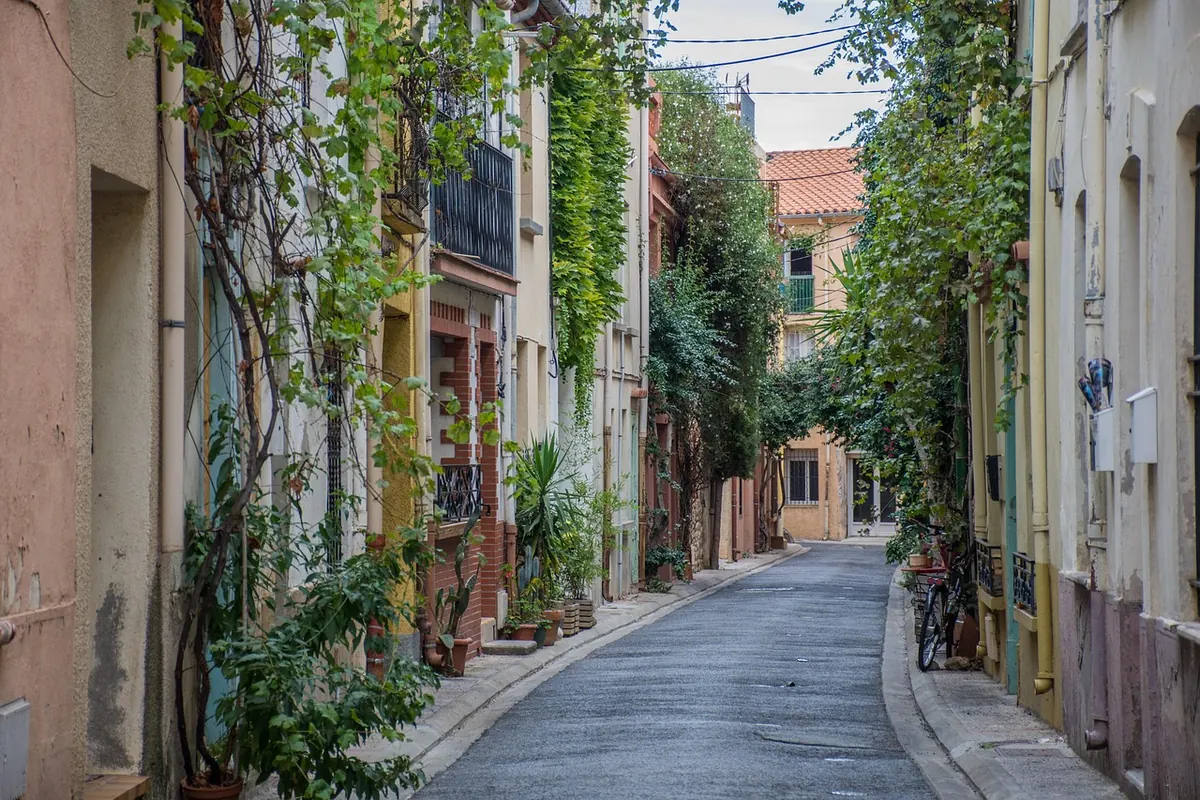
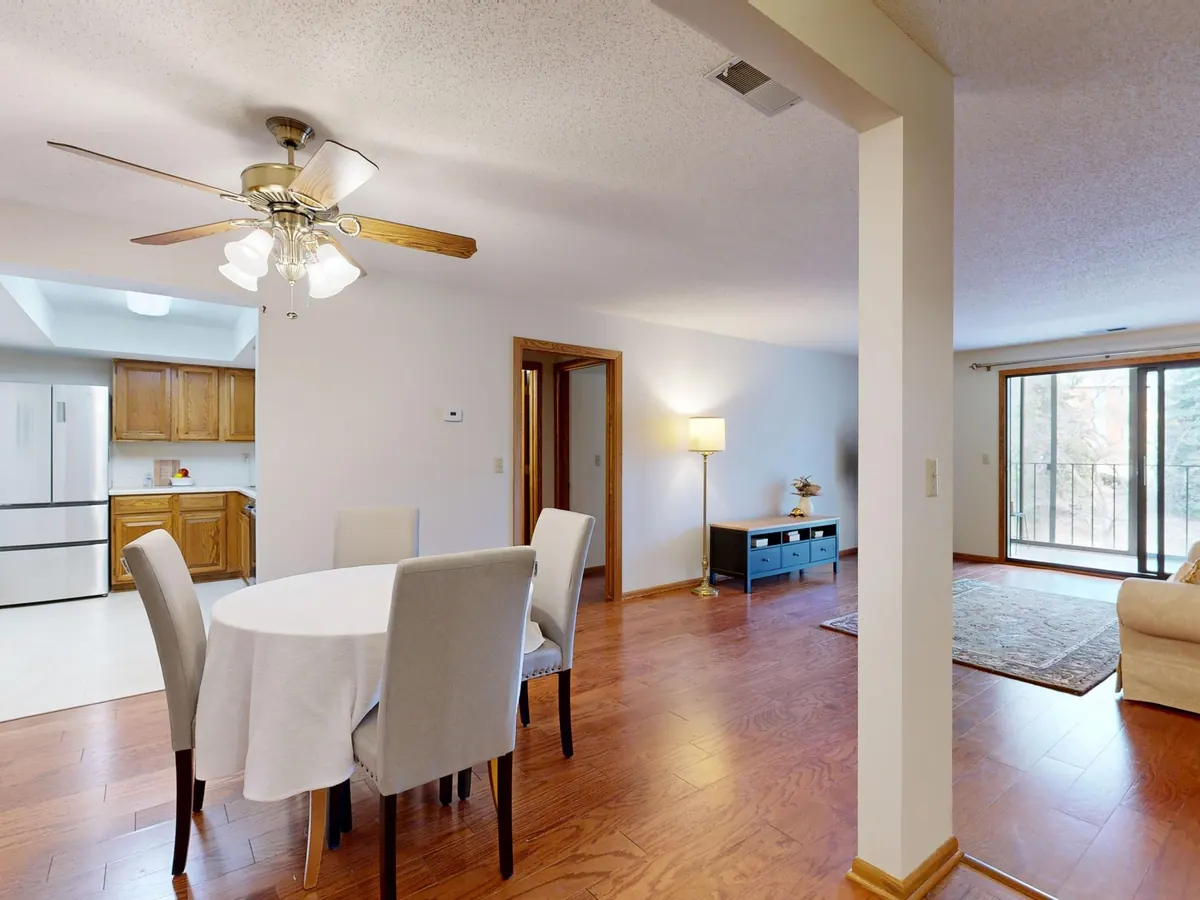
The first image is a headline in picture form. Most platforms show it as the thumbnail, so it decides whether anyone reads your carefully written words at all. A front exterior works well if the shot is clean: no wheelie bins, no car in front of the window, no bins-and-bicycle clutter. Shoot in daylight and keep the wide shots undistorted.
After the opening image, follow the same route as your description:
If the floorplan is genuinely strong, some sellers put it second to help buyers orient themselves. Either way, be consistent: photos, description and floorplan should tell the same story in the same order.
Serious buyers filter hard. The more factual detail you include, the fewer time-wasting enquiries you get and the more credible the good ones feel. Include a floorplan with room measurements, the energy performance rating, tenure, council tax band, what is included in the sale, and how parking actually works. If the property is leasehold, note the basics and let a solicitor or conveyancer confirm the detail before anyone commits.
Be equally clear about drawbacks. Road noise at the front, a compact third bedroom, a boiler coming to the end of its life: buyers discover these at the viewing anyway, and being upfront builds trust rather than costing you interest.
Read the listing once as a buyer, then once as a proofreader. Then run through this:
Get those right and the listing stops being an advertisement. It becomes a filter, quietly pushing the right buyers towards the enquiry button and letting the rest scroll on.
Photo: Jakub Zerdzicki / Pexels