Two streets a mile apart can feel like different counties. One has a bakery, a bus every ten minutes and a primary school that parents plan their moves around; the other has a dual carriageway, a boarded-up pub and a long walk to the nearest shop. Much of Mercia — the old kingdom that stretched from the Potteries down to the Severn and across towards the Lincolnshire edge — is made of exactly these contrasts. Choosing the right side of that line matters more than the kitchen.
The reassuring part is that this is research you can do yourself, in a couple of weekends, with a few phone calls and some well-timed walks.
Most buyers and renters rank transport third and then live with the consequences every weekday. Do the trip yourself, at the hour you would actually travel. A Tuesday morning drive from a village outside Lichfield to the M6 toll, or a train from a town on the CrossCountry line into Birmingham New Street, tells you more than any listing's line about "excellent links".
Ask whether you need the motorway or just the idea of it. Being two minutes from a junction is convenient and noisy; being fifteen minutes away is often the better trade. If you will use the train, check whether the station car park is full by half seven, whether the service runs on Sundays, and what the last train home looks like after an evening out. Canal towpaths and old railway lines give good off-road cycling in places, but many are unlit and muddy from October, so ride them in winter before you count on them.
Parents tend to search by school first and house second, which is sensible — but the details matter. Catchment areas are not fixed. They shift with demand, and the distance that secured a place last year may not do so this year. Some authorities measure straight-line distance, others the shortest walking route, and a few use a mix. Oversubscribed schools often allocate places by distance once siblings and priority categories are accounted for, so a house on the edge of a catchment can be a gamble.
Read the local authority's admissions booklet rather than relying on what a seller tells you. Check whether the school is an academy, a faith school, or part of an infant and junior split — still common in parts of Staffordshire and Worcestershire — and how the transfer between them works. Visit on an ordinary day, not an open evening, and ask about breakfast club, wraparound care and what the 3.30pm journey really looks like. Being in catchment is not a guarantee of a place, so confirm with the council before you commit to anything.
The Trent, the Severn, the Avon, the Soar and dozens of smaller brooks shape where people have built across the Midlands, often on the floodplain. Two risks matter. River flooding is the one people know about; surface water flooding, where heavy rain overwhelms the drains, is the one that catches out estates on higher ground.
Check the Environment Agency's maps for both river and surface water flooding, and look at the route you would walk out as well as the address itself. On a new-build home, ask for the flood risk assessment that supported the planning application. Get insurance quotes before you commit — a postcode with a history can change what you pay, and a poor record can make cover difficult to find. On a viewing, look for raised door thresholds, airbrick covers, non-return valves, tiled floors and a pump in a cellar. Then ask the neighbours directly: has the brook ever come over? If a property sits in a flood-risk area, take advice from your insurer and a surveyor before you exchange.
Walk the life you would actually live from the front door, and time it. What can you reach in ten minutes on foot, and is it what you need? Worth checking:
Broadband and mobile signal deserve their own check. Coverage maps are optimistic, so test inside the house — particularly on a new estate where cabinets may be full, or in a stone-walled village where the signal dies at the kitchen table. If you work from home, this is not a detail.
Community is the hardest thing to judge and the easiest to fake. Visit at different times. A weekday at 8am shows you the school run and the commuter traffic. A Saturday morning shows whether the high street or the village hall fills up. An evening shows parking, noise and lighting — what the street is like after dark.
Look for the small infrastructure of a functioning place: a noticeboard with current dates on it, an allotment site with people working on it, a residents' association, a community centre with a programme, a pub that serves food on a Tuesday. Listen, too. A railway line, a dual carriageway, a depot and a school playground sound very different at 7am than at 2pm. If you can, talk to two people who live nearby and ask what they would change. They usually tell you.
A tidy way to work through this without drowning in tabs and viewings:
Then look at the property itself: leasehold flats with service charges, new-build estates with management fees, conservation areas where alterations need consent, and any live planning applications nearby. All of that is free to check and public to read.
Neighbourhoods also change after you move in, and some of that is out of your hands. For anything with legal or financial weight — surveys, leases, mortgages, flood cover — take advice from a qualified professional rather than relying on a forum thread. But the walking, the timing and the questions you put to neighbours are yours to do, and they will tell you more than any listing ever will.
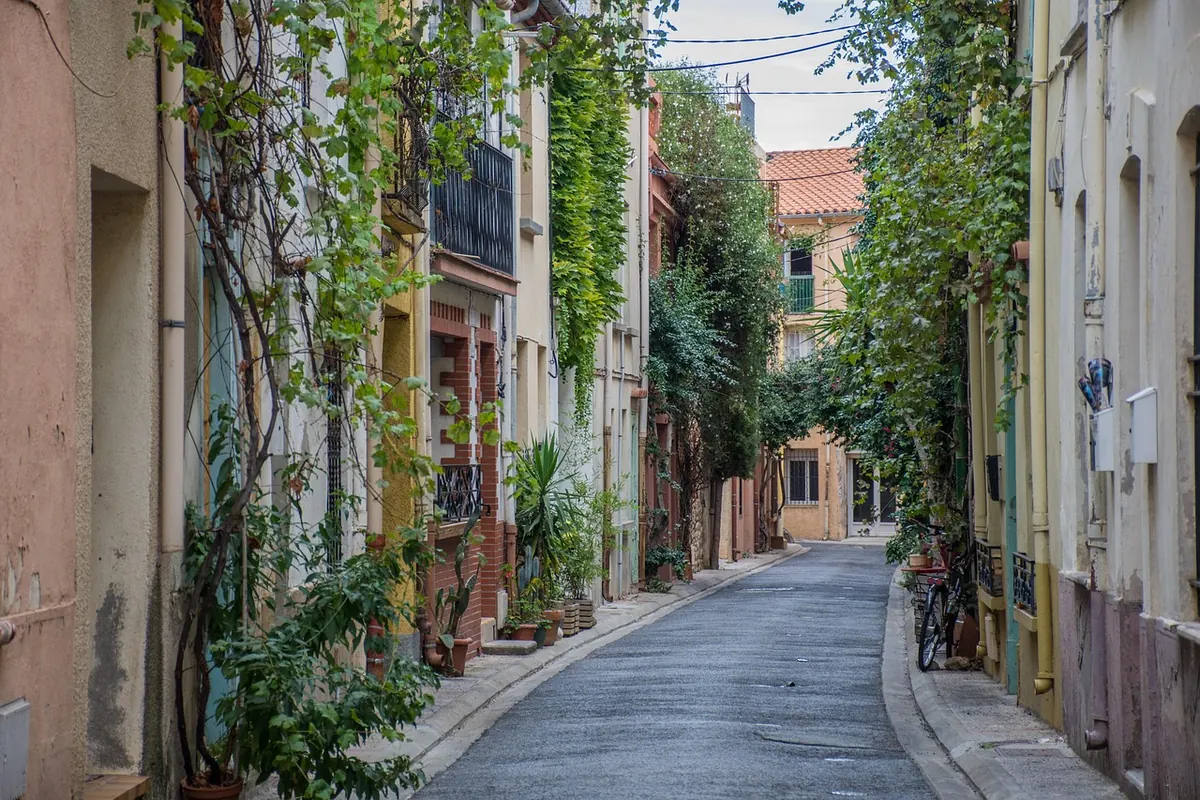
Photo: hjrivas / Pixabay