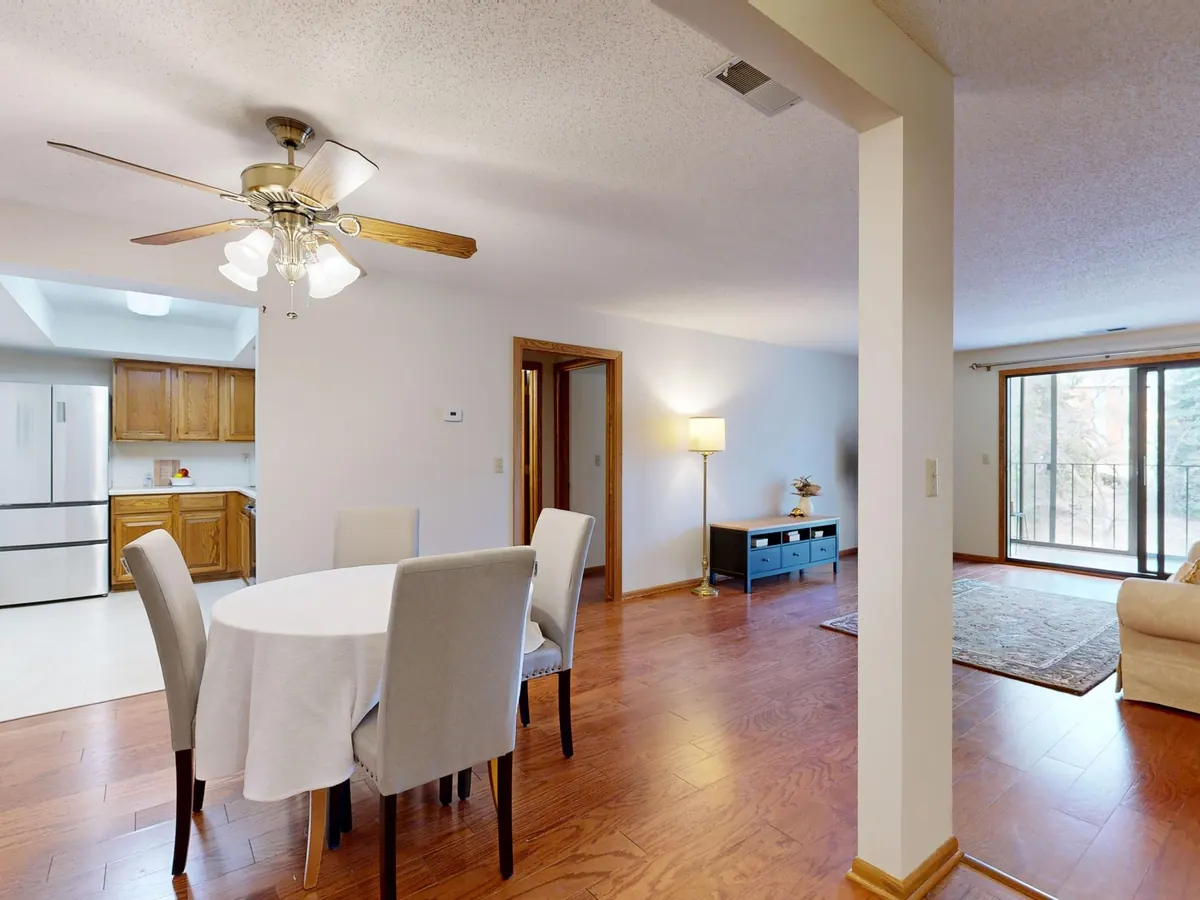
Viewings are staged. Lights on, windows open, a bowl of lemons on the worktop. Your job is to look past the staging for twenty minutes and ask the questions the seller hopes you will not ask. Most structural trouble announces itself early: a smell in the hallway, a stepped crack above a door frame, a gutter sprouting grass. You do not need to be a surveyor to catch the warning signs. You need to know where to look, and what to do when you find something.
Walk the full perimeter before you knock, even in the rain. Look along the roofline: is it straight, or does it dip and sag? Check for slipped, cracked or missing tiles, and for ridge tiles that have shifted. Glance at the chimney, which should stand upright with intact mortar and no obvious lean.
Then work downwards. Gutters and downpipes should be fixed, clear and discharging into a drain rather than down the wall. Water marks below a gutter, or green algae streaks on render, tell you where the rain has been going for years.
Check the walls for deep cracks, blown render and patches of suspiciously fresh paint. Look at ground level too. Soil, gravel or a raised patio sitting above the damp-proof course is an invitation to rising damp, and a large tree within a few metres of the wall is worth a comment from your surveyor.
Damp has a smell. If the hallway hits you with a musty, wet-plaster odour, do not let a plug-in air freshener distract you. Heavy bleach smells or freshly painted skirting boards in an otherwise tired room can be a cover-up.
Look for tide marks low on walls, bubbling or flaking paint, black mould in corners, and plaster that feels cold or soft near the skirting. Run the back of your hand along external walls and around window reveals. Cold patches matter.
Three types behave differently. Rising damp creeps up from the base of walls and rarely rises much above a metre. Penetrating damp comes in sideways through defective render, pointing or failed seals, and often shows as a patch under a window or behind a downpipe. Condensation gathers on cold surfaces, usually in bathrooms and bedrooms, and is the most common of the three. They need different fixes, so do not accept a quick diagnosis from anyone with a vested interest in the answer.
Every older house has cracks. Most are plaster deep and harmless. The ones that matter tend to share a few characteristics:
As a rough rule of thumb, hairline shrinkage cracks in plaster are usually cosmetic. Anything wider than a few millimetres, or anything that has clearly opened up recently, deserves professional investigation rather than reassurance from an estate agent.
If there is a loft hatch, ask to use it. Inside, switch the light off and look for daylight through the roof covering. Check the underside of the roof for water staining, sagging boards and timbers that feel soft or crumbly. Insulation stuffed hard into the eaves blocks ventilation and encourages rot, so note how it has been laid.
Back downstairs, scan ceilings for brown rings, bulges and cracked cornices. A stained patch under a bathroom usually means a leaking waste pipe or a failed seal, both fixable but rarely cheap. A bulging ceiling is a different conversation entirely.
Walk the floors. They should feel firm underfoot; a noticeable slope or a floor that springs up and down suggests movement or failed support. Open and close a few doors and windows. In a house with no other issues, a sticking door is probably humidity. In a house with a stepped crack nearby, it is evidence.
Check double glazing for misted panes, which mean the seals have gone, and look for cracked or crumbling putty around older frames. In roof spaces, under stairs and around bathrooms, look for the small round holes of woodworm with fine dust beneath, and for timber that is soft, dark or crumbly. Wet rot is local and treatable. Dry rot spreads and needs a specialist, so treat any mushroom smell or cotton-wool growth seriously.
A viewing tells you where to look. A survey tells you what you are actually buying, and it should be booked before you exchange contracts, not after. For a conventional home in reasonable condition, a mid-level survey is usually enough. For anything old, unusual, extended, listed or showing signs of movement, commission the most thorough building survey available.
Your lender's valuation is not a survey. It protects the lender's money, not your decision, and it often runs to a page or two. Where damp, movement or timber decay is suspected, ask for specialist reports from a damp and timber specialist, a structural engineer or a drainage contractor with a camera. If the survey raises anything legal, boundary related or contractual, speak to a solicitor before you commit.
Take photographs, including the cracks and stains, and ask direct questions: when was the roof last repaired, the boiler last serviced, the wiring last updated? Is there any history of damp, subsidence or flooding, and are there guarantees to pass on? Write the answers down while you are standing there, because you will forget half of them by the time you reach the car.
Ask to return in daylight, or after heavy rain, and look again with fresh eyes. If your instinct says something is wrong, it usually is worth one more appointment and one honest conversation with a surveyor.
Photo: RDNE Stock project / Pexels